

1 kg stingător portabil portabil cu pulbere uscată
Cat:DCP/spumă/stingător de apă
Strinirea de incendiu portabilă de 1 kg portabil este un dispozitiv de siguranță utilizat pentru a stinge mici incendii în situații de urgență. Înv...
Vezi detalii
+86 13857576559
În majoritatea mediilor cu temperatură scăzută, a Extinctor chimic umed generally outperforms a Extinctor cu apă below freezing point unless the latter is specifically rated as anti-freeze. The standard Extinctor cu apă contains a water-based agent that can freeze at temperatures around 0°C (32°F), which compromises both its discharge mechanism and internal pressure seals. A Wet Chemical Fire Extinguisher, by contrast, typically uses a potassium-based solution with additives that lower its freezing point, allowing it to remain operational in colder storage conditions, often down to -6°C (20°F) or lower depending on the formulation.
Acestea fiind spuse, comparația nu este absolută. Mulți producători produc acum un stingător umplut cu apă with anti-freeze additives specifically engineered for unheated environments, narrowing the performance gap considerably. The remainder of this article breaks down the technical, practical, and maintenance factors that should guide your decision when temperature is a primary concern.
The extinguishing agent inside any fire suppression device is sensitive to ambient conditions, and this sensitivity varies significantly depending on the chemical composition. A standard Water Fire Extinguisher relies on plain or lightly additive-treated water, which has a freezing point very close to 0°C. Once ice crystals begin forming inside the cylinder, the unit can suffer from blocked nozzles, cracked internal components, or reduced spray pressure, rendering it unreliable exactly when it might be needed most.
Wet Chemical Fire Extinguishers use a solution typically based on potassium acetate, potassium citrate, or potassium carbonate. These compounds naturally depress the freezing point of the liquid, similar to how salt lowers the freezing point of water on icy roads. This chemical property allows the agent to stay in liquid form and remain dischargeable even when temperatures dip well below freezing, giving it a clear operational advantage in unheated warehouses, outdoor storage areas, or vehicles parked in cold climates.
Manufacturers publish operating temperature ranges for fire safety equipment, and these figures offer one of the clearest ways to compare performance. The table below summarizes typical ranges found in commercial fire safety documentation for both extinguisher types.
| Tip stingător | Temperatura minimă de funcționare | Temperatura maximă de funcționare |
|---|---|---|
| Extinctor cu apă standard | 0°C / 32°F | 60°C / 140°F |
| Extinctor cu apă anti-îngheț | -30°C / -22°F | 60°C / 140°F |
| Wet Chemical Fire Extinguisher | -6°C / 20°F | 60°C / 140°F |
După cum se arată mai sus, un standard stingător portabil cu apă without anti-freeze treatment is the most vulnerable to cold-weather failure. However, once anti-freeze additives such as potassium carbonate or specific glycol-based compounds are introduced, the water-based unit can actually match or exceed the cold tolerance of a Wet Chemical Fire Extinguisher.
Beyond simply remaining liquid, the discharge characteristics of each extinguisher type change under cold conditions. A Wet Chemical Fire Extinguisher tends to maintain consistent internal pressure because its chemical formulation resists viscosity changes at low temperatures. A standard Water Fire Extinguisher, even just above its freezing threshold, can experience increased viscosity that slows discharge speed and reduces spray distance by a noticeable margin.
Field testing data commonly cited in fire safety equipment reviews suggests that a Wet Chemical Fire Extinguisher maintains roughly 90 până la 95 la sută din intervalul nominal de pulverizare at temperatures near 0°C, whereas a non-anti-freeze Water Fire Extinguisher can drop to 60 până la 70 la sută of its rated range under the same conditions, assuming it discharges at all. This difference becomes critical in emergency situations where reach and coverage area directly affect suppression success.
Choosing between these two extinguisher types should be guided by where the unit will be stored, not just the fire class it addresses. Facilities in regions with consistent sub-zero winters should weigh placement carefully regardless of which agent is chosen.
Cold exposure doesn't just affect immediate performance; it can shorten the overall service life of an extinguisher if not properly managed. Repeated freeze-thaw cycles place stress on internal seals, valves, and pressure gauges, regardless of extinguisher type. A stingător portabil cu apă exposed to frequent temperature swings should be inspected more often than the standard annual schedule, ideally on a quarterly basis if installed in semi-conditioned spaces.
Wet Chemical Fire Extinguishers generally require less frequent cold-weather-specific inspection because their chemical stability reduces freeze-related wear, though standard annual servicing still applies.
From a budgeting perspective, a standard Water Fire Extinguisher is typically the more economical upfront purchase. However, if it requires replacement or repair due to freeze damage, the long-term cost can exceed that of a Wet Chemical Fire Extinguisher, which carries a higher initial price but better resists cold-related degradation. Facilities operating in regions with harsh winters should factor in this lifecycle cost difference rather than focusing solely on purchase price.
| Factorul | Extinctor cu apă | Wet Chemical Fire Extinguisher |
|---|---|---|
| Cost inițial | Mai jos | Moderat spre Mai mare |
| Fiabilitate pe vreme rece | Low (unless anti-freeze rated) | Înalt |
| Freeze-Related Maintenance Risk | Înalter | Mai jos |
For climate-controlled indoor environments, a standard stingător umplut cu apă remains a cost-effective and fully reliable choice. For unheated buildings, outdoor installations, or regions with regular sub-zero temperatures, a Wet Chemical Fire Extinguisher or an anti-freeze rated Water Fire Extinguisher should be prioritized to ensure the unit functions correctly when it matters most. Ultimately, the deciding factor is not which extinguisher category is universally superior, but rather which formulation matches the specific thermal conditions of the installation site. Matching the equipment to the environment, rather than relying on agent type alone, is what determines real-world fire safety performance in cold climates.
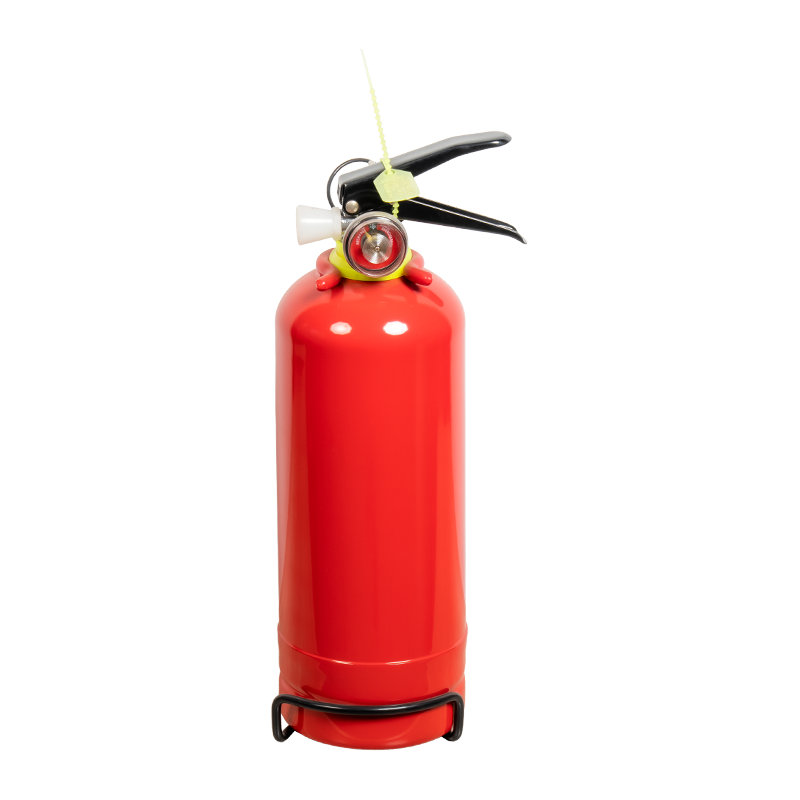
Strinirea de incendiu portabilă de 1 kg portabil este un dispozitiv de siguranță utilizat pentru a stinge mici incendii în situații de urgență. Înv...
Vezi detalii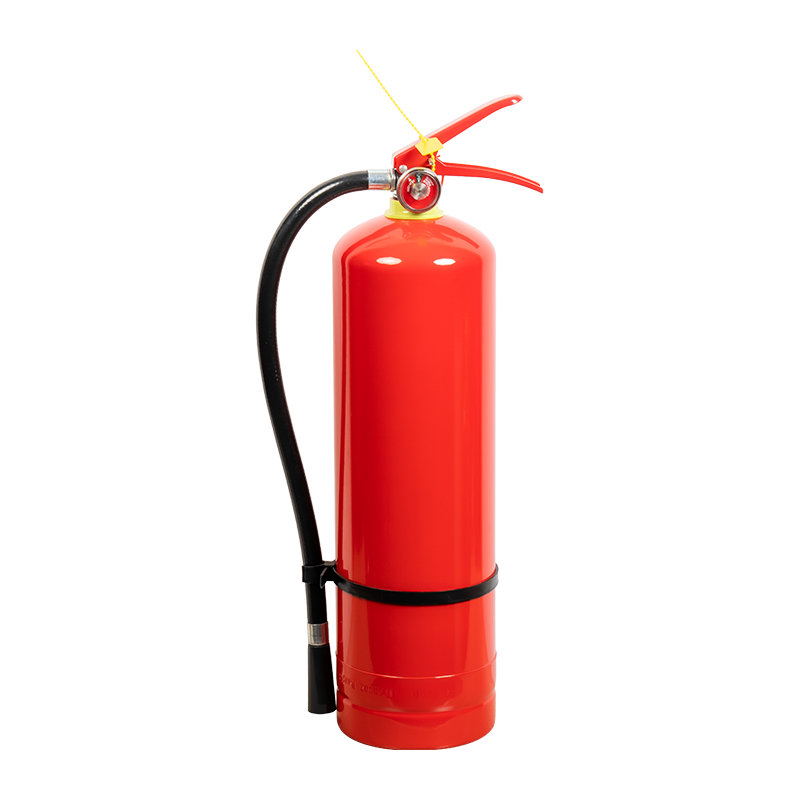
Strângetorul de foc portabil din oțel inoxidabil de 6 kg este un dispozitiv de stingere a incendiilor adecvat pentru stingerea diferitelor incendii...
Vezi detalii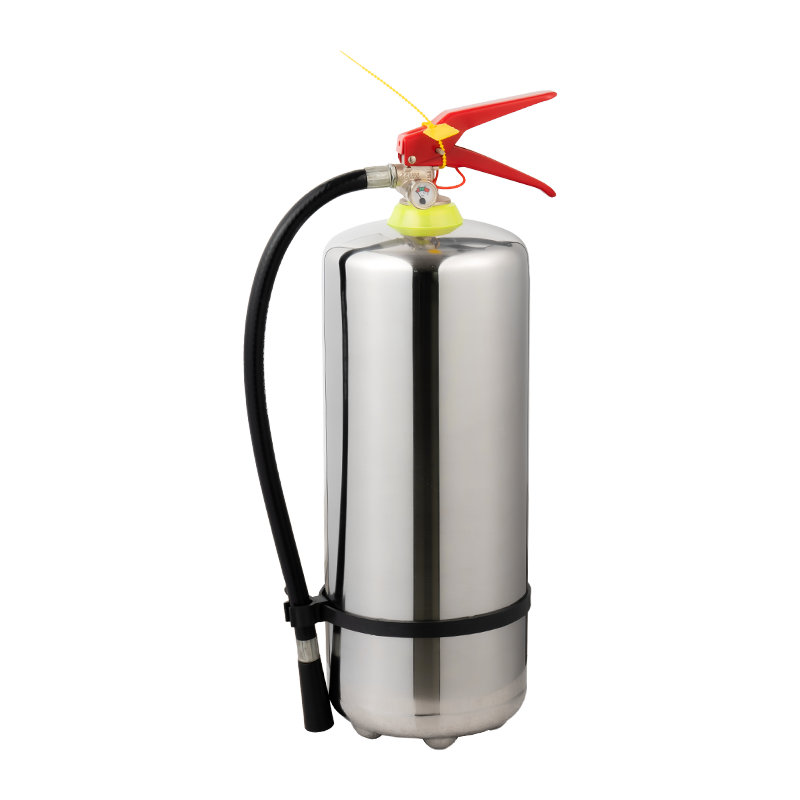
304 STINGURI DE FIRE DE Oțel inoxidabil 6L este un echipament de stingere a incendiilor proiectat profesional, realizat din material din oțel inoxi...
Vezi detalii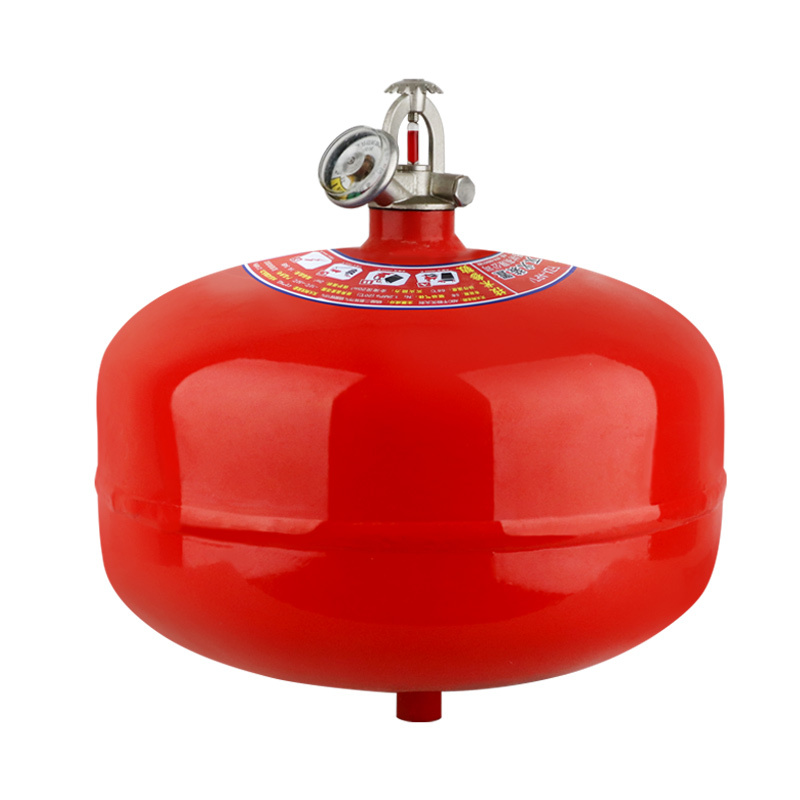
Strângetorul de foc agățat de 8 kg poate fi instalat pe perete sau tavan, fixat prin cârlig sau suport, ceea ce face ușor accesul și funcționarea r...
Vezi detalii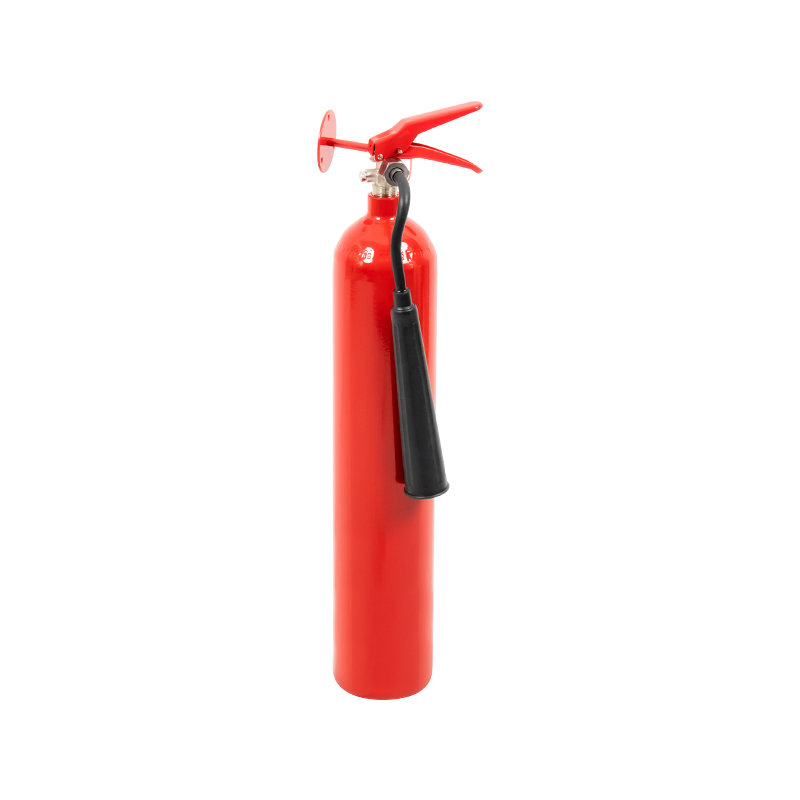
Striactorul de incendiu portabil de 3 kg este un dispozitiv de stingere a incendiilor conceput pentru a face față tuturor tipurilor de incendii. Fa...
Vezi detalii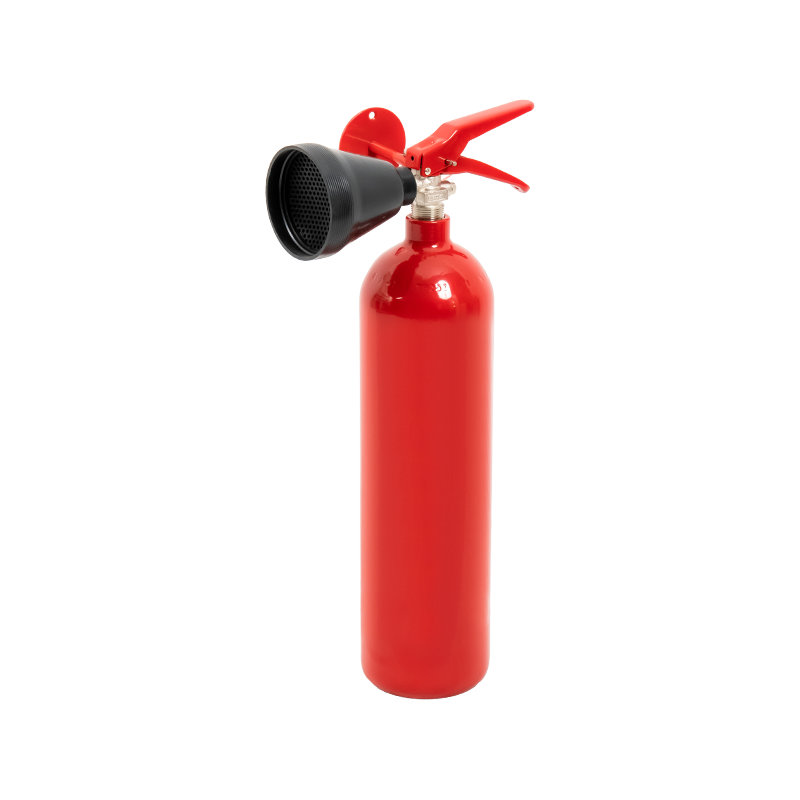
Strunctorul portabil de 2 kg CE este un dispozitiv de stingere a incendiilor conceput pentru răspuns rapid și stingerea incendiilor mici. Este conf...
Vezi detalii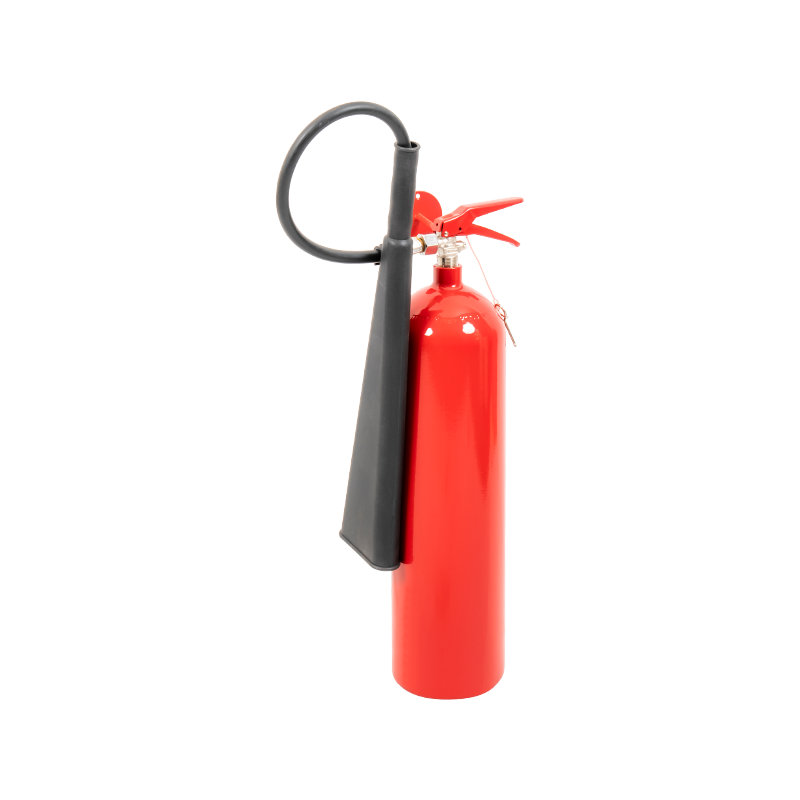
Stilul de 5 kg CO2 CE este potrivit pentru o varietate de aplicații, inclusiv în fabrici, linii de producție și depozite. Strângetorul de CO2 de 5 ...
Vezi detalii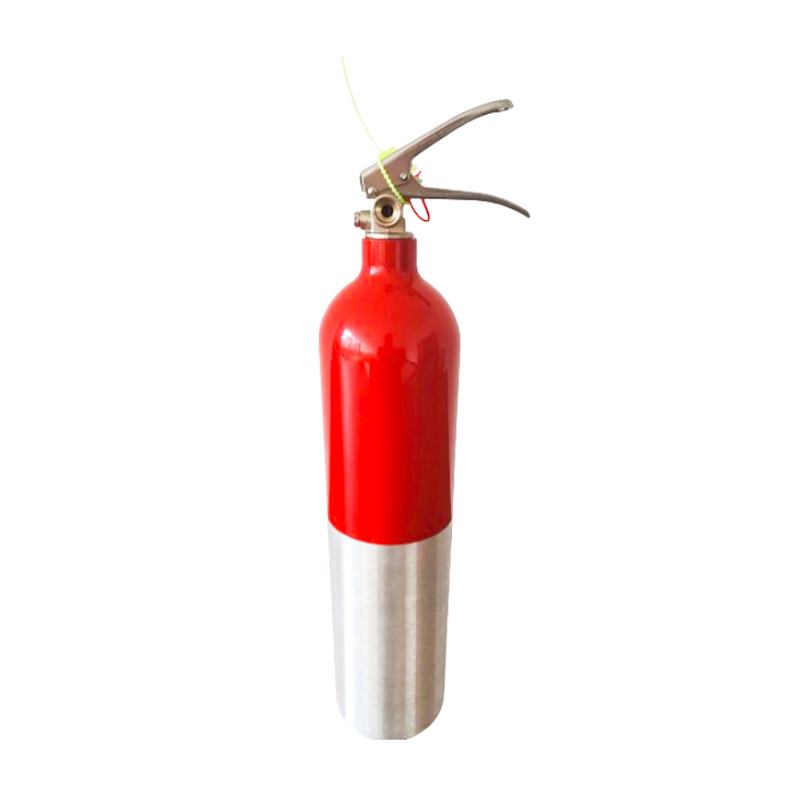
Striactorul portabil de aluminiu de 5 kg este un echipament eficient și fiabil de stingere a incendiilor, adecvat nevoilor de protecție împotriva i...
Vezi detalii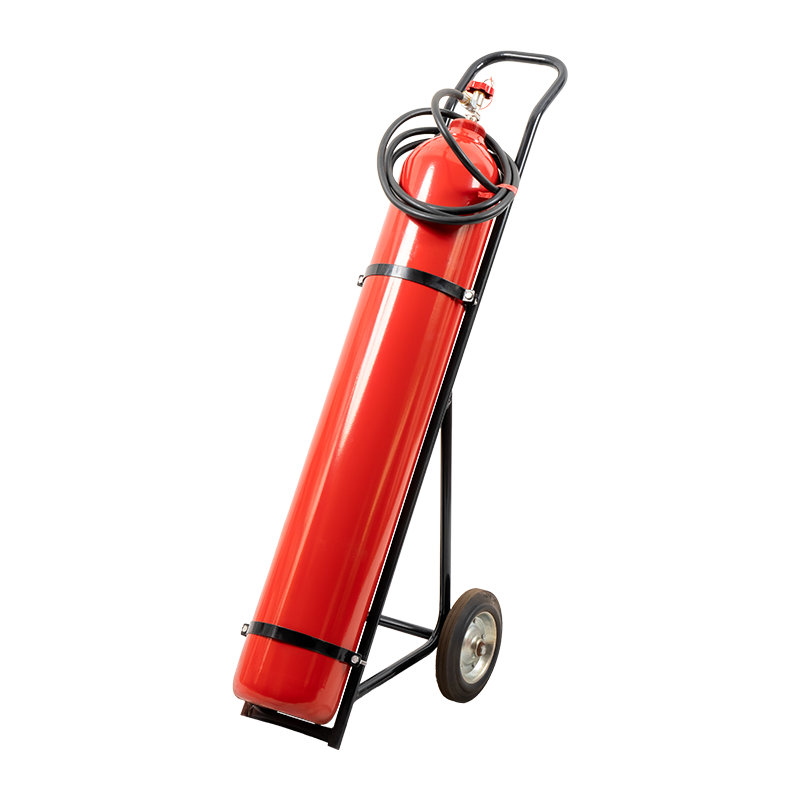
Striactorul de incendiu CO2 de 10 kg din oțel este un instrument portabil de pompieri, format dintr-un cilindru mare de oțel, cu o capacitate de 10...
Vezi detalii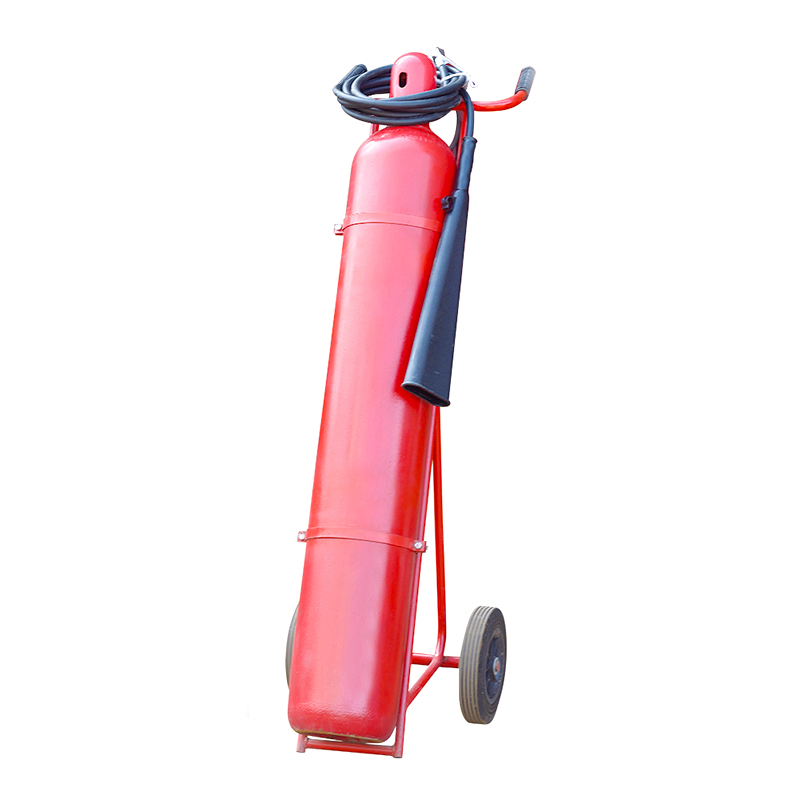
Strintitorul de foc mobil de 25 kg este un echipament de combatere a incendiilor de înaltă capacitate, conceput pentru incendii pe scară largă. Are...
Vezi detalii
Zhejiang Yongshang Pressure Vessel Co., Ltd. a fost înființată în 2016. Este o întreprindere modernă care integrează cercetarea și dezvoltarea, producția și vânzările, specializată în producerea de pulbere uscată, căruțe, stingătoare de dioxid de carbon, cilindri de oțel fără probleme și sticle de aluminiu.

+86 13857576559


Satul Zhuhai, orașul Gaibei, districtul Shangyu, orașul Shaoxing, provincia Zhejiang, China
Copyright © Zhejiang Yongshang Pressure Vessel Co., Ltd.
